Cash for Scrap Cars Winnipeg: What the Market Looked Like This Week and What You Need to Know
That rusted-out half-ton sitting in your driveway is worth more than you think — but only if you have the right paperwork. Scrap metal recycling Winnipeg has been active this week, with ferrous and non-ferrous prices holding steady after some late-July volatility. If you've been sitting on an end-of-life vehicle, a pile of old appliances, or a garage full of mixed metal, this week's recap gives you a real-world look at where things stand heading into August 2026.
One thing hasn't changed: the difference between getting fair value and getting low-balled comes down to documentation, preparation, and knowing who you're dealing with. Platforms like get your scrap picked up free through SMASH Recycling are built around that exact problem — connecting sellers with vetted buyers and bringing real price discovery to a market that's been running on handshake deals for decades.
Weekly Market Recap: Scrap Metal Prices in Winnipeg, August 2026
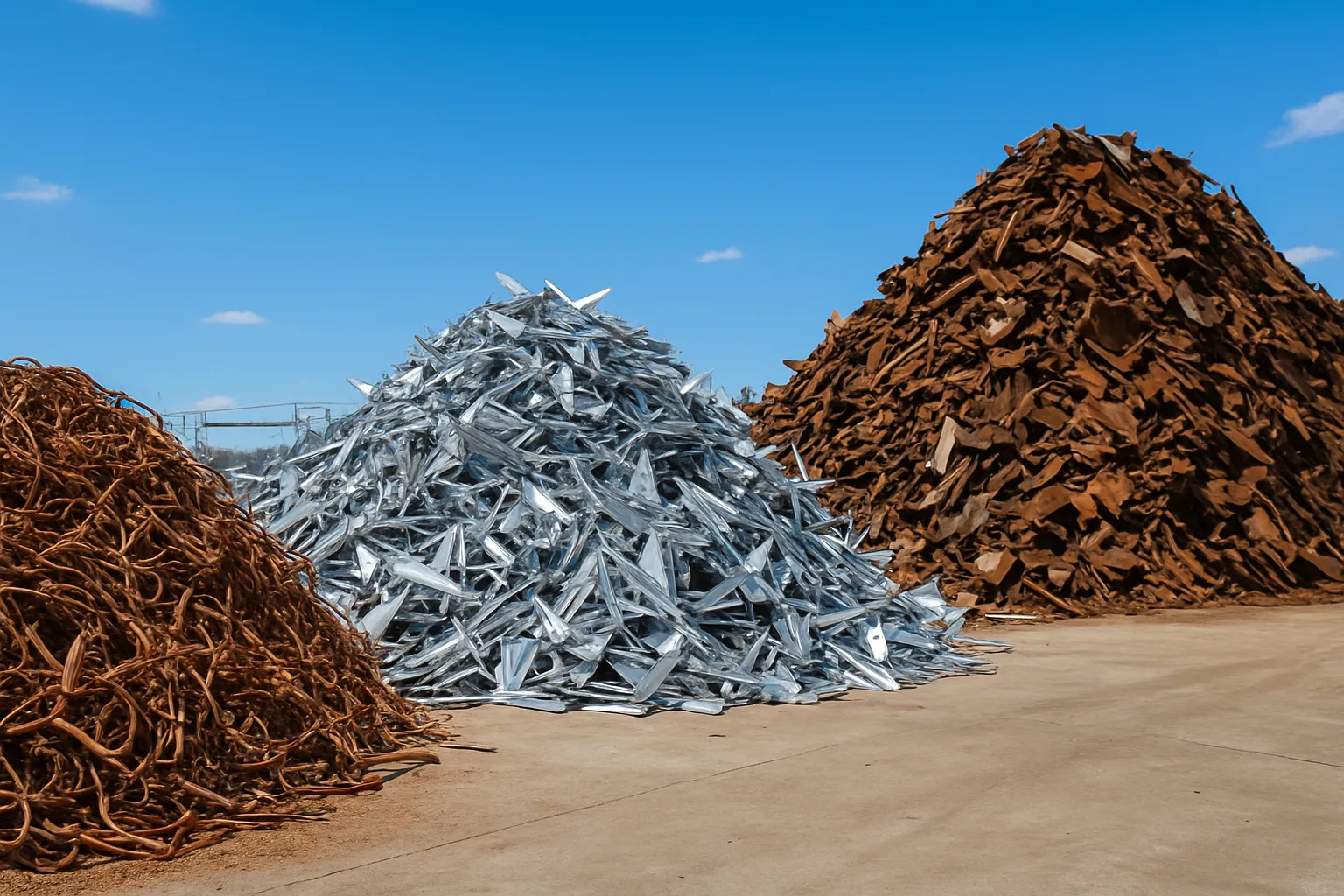
Scrap metal prices fluctuate week to week based on global steel demand, North American manufacturing activity, and commodity markets. This week in Manitoba, the ferrous market has been relatively stable. Shredded steel and #1 HMS (Heavy Melting Steel) are moving at levels consistent with mid-summer demand from regional mills. Dealers processing bulk loads are seeing reasonable turnaround, though smaller loads continue to command less competitive pricing.
Non-ferrous metals — copper, aluminum, and brass — are where the real action is. Copper prices have remained strong, driven by ongoing infrastructure spending and EV component demand. If you've got copper pipe, wire, or motor windings in a cleanout, that's your highest-value material. Keep it separated. Mixed or contaminated non-ferrous loads consistently yield lower returns than sorted material.
A few things worth noting for anyone planning a scrap run this week:
- Catalytic converters remain highly regulated under the Manitoba Scrap Metal Act — serial number tracking and seller ID are required at point of sale.
- Appliance cores (compressors, motors) are worth pulling out of appliances before recycling where possible — they typically carry a premium over bare steel.
- Scrap vehicle values depend heavily on weight, condition, and whether the drivetrain components (catalytic converter, battery, alternator) are still intact.
Disclaimer: Scrap metal prices change daily and weekly. Always confirm current rates directly with your buyer or recycler before scheduling a pick up or drop off.
Cash for Scrap Cars Winnipeg — Fair Pricing Starts With Proper Documentation
Here's where most people lose money without realizing it. You call around, someone gives you a number over the phone, they show up, and suddenly the price drops. The vehicle is "heavier than expected," the catalytic converter is "missing," or the tires need to come off first. You've already committed, so you take the low offer.
Proper documentation protects you. Under the Manitoba Scrap Metal Act, scrap vehicles require valid title or a Transfer on Death (TOD) document before any licensed recycler can legally accept them. This isn't bureaucracy — it's your proof of ownership and your protection. A buyer who skips this step isn't operating compliantly. Walk away.
When you have clean documentation, you're in a stronger position. You can compare offers across multiple buyers. You can use platforms that bring competition to the transaction. And you can schedule your scrap metal pick up in Winnipeg knowing the price is based on real data, not a buyer's best guess at what you'll accept.
What documentation you'll need for a scrap vehicle pick up in Manitoba:
- Vehicle title (ownership certificate) — must match the registered owner's ID
- Transfer on Death (TOD) documentation — if the registered owner is deceased
- Government-issued photo ID — required by law at point of transaction
- Vehicle VIN — confirm it matches your paperwork before any buyer arrives
Don't have title? Start with Manitoba Public Insurance (MPI). Missing or lien-affected titles can sometimes be resolved, but it takes time. Do this before you book your pick up, not after.
Free Appliance Pick Up Winnipeg — What Qualifies and What Doesn't
Large appliance pick up is one of the most common requests we see alongside scrap car removal. Washing machines, dryers, chest freezers, window air conditioners, hot water tanks — these are bulk steel items that add up fast. A standard chest freezer weighs 80 to 150 lbs. A gas range runs 130 to 200 lbs. Even a single full-size refrigerator can hit 250 lbs with the compressor still in it.
For large appliance pick up free service, volume matters. Free pick up for qualifying loads typically applies when you have multiple appliances, a garage cleanout, or a mix of appliances and scrap metal that makes the trip economically viable for the recycler. A single washing machine on its own may require a small pick up fee or a drop-off trip to your nearest recycler — that's the honest answer. But if you're clearing out a rental unit, finishing a basement reno, or handling an estate cleanout, that's a qualifying load.
Key rules for appliance pick up in Winnipeg:
- Items must be accessible — outside, in a garage, or at ground level. We do not enter private homes.
- Fridges and freezers with intact compressors may require refrigerant recovery depending on age and condition — ask before booking.
- Appliances with non-metal components (plastic tubs, glass tops) are still accepted but may affect per-pound value.
- If your load includes both appliances and vehicle cores or non-ferrous metal, mention that when you call — it changes the pick up assessment.
For scrap metal pick up in Winnipeg and Manitoba that includes both appliances and a vehicle, bundling everything into one pick up is the most efficient approach. One call, one trip, full load documented.
Scrap Metal Inventory Management: Why Documentation Gets You More Money
Whether you're a homeowner clearing a garage or a contractor wrapping up a demolition job, how you document your scrap directly affects what you get paid. Buyers price undocumented, unsorted loads with a margin for unknowns. That margin comes out of your pocket.
Documented inventory — even a rough list with metal types, estimated weights, and photos — gives buyers confidence. A buyer looking at photos of sorted copper and aluminum can make a more accurate offer than one guessing at a mixed pile. SMASH is built around this principle. The platform's inventory tool lets sellers document loads with photos, weights, and metal categories before auction. Buyers bid on what they can actually see. That's how price discovery works in a functional market.
For scrap metal inventory management at the commercial or contractor level, the habit is even more important. Track your loads by metal type, weight, and date. Keep bills of lading (BOLs) and packing lists for every outbound load. If you're generating consistent volumes of copper, aluminum, or non-ferrous material, you're leaving real money behind by selling informally to a single buyer at a single price. Competition reveals what your load is actually worth.
The old way: one buyer, one phone call, one price — take it or leave it. The SMASH way: document your load, put it in front of vetted buyers, let competition do the work. Read scrap metal pick up guides for Winnipeg to see how this plays out in practice for different load types and materials.
Farm Scrap Metal Removal — A Note on Volume Loads Outside the City
Winnipeg is surrounded by agricultural communities across southern Manitoba, and farm cleanups represent some of the largest single-source scrap volumes in the region. Old combines, cultivator frames, grain bin panels, fuel tanks, irrigation pipe — a working farm accumulates decades of ferrous and mixed metal.
Farm scrap metal removal is typically a qualifying load by definition. The volumes involved make pick up economically viable, and the mix of heavy ferrous equipment usually delivers solid returns at current steel prices. The main challenge is access and documentation. Rural properties may require flatbed or crane equipment for large machinery pieces. Vehicles with VINs — old farm trucks, tractors with serial plates — still fall under documentation requirements for scrap vehicle transactions.
If you're dealing with a farm estate or a large property cleanup outside Winnipeg, reach out early. Coordinating equipment, arranging multiple trips, and documenting a mixed load of this size takes planning. Platforms like SMASH that handle scrap metal inventory management at the load level make it easier to organize a farm cleanout into documented, auction-ready lots — even when you're working with a wide variety of materials. Winnipeg scrap metal services extend to surrounding communities throughout Manitoba — just confirm service area when you book.
Frequently Asked Questions
Q: How do I get cash for my scrap car in Winnipeg?
Contact a licensed scrap vehicle recycler operating under the Manitoba Scrap Metal Act. Have your vehicle title or Transfer on Death (TOD) documentation ready along with government-issued photo ID. Get quotes from more than one buyer — vehicle weight, condition, and intact components all affect the price. Using a platform that brings multiple vetted buyers to your load will generally produce better price discovery than a single cold call.
Q: Is scrap metal pick up in Winnipeg really free?
Free pick up applies to qualifying loads — bulk scrap, multiple appliances, full garage cleanouts, scrap vehicles, or commercial quantities of non-ferrous metal. A single appliance or small item may involve a pick up fee. If you're unsure whether your load qualifies, call and describe what you have. Drop-off is always an option for smaller quantities.
Q: What documentation do I need to scrap a car in Manitoba?
Under the Manitoba Scrap Metal Act, you need the vehicle title (in your name) or Transfer on Death documentation if the registered owner is deceased. Government-issued photo ID is required at transaction. The vehicle VIN will be verified against your paperwork. No title, no legal transaction — any buyer who skips this step is not operating compliantly.
Q: How do current scrap metal prices affect what I get for my car or appliances?
Scrap vehicles are primarily priced by weight at current ferrous (shredded steel/HMS) rates, adjusted for intact high-value components like catalytic converters, batteries, and aluminum wheels. Appliances follow a similar logic — base steel value plus any non-ferrous cores. Prices fluctuate weekly based on mill demand and commodity markets, so the quote you get today may differ from last week. Always confirm current rates before scheduling.
Q: Can I scrap farm equipment in rural Manitoba outside Winnipeg?
Yes. Farm equipment cleanups — combines, cultivators, grain bins, farm trucks — are typically qualifying loads for free pick up given the volumes involved. Vehicles with VINs still require title documentation. For large or complex farm cleanouts, contact us early to arrange appropriate equipment and coordinate multiple trips. Service areas extend across Manitoba — confirm coverage for your specific location when you book.
If you're ready to clear out a scrap vehicle, a pile of old appliances, or a full property cleanout, free scrap metal pick up for qualifying loads in Winnipeg and Manitoba is available now. All vehicle transactions are Manitoba Scrap Metal Act compliant. Call 1-855-SMASH-74 or visit scrap-metal-pick-up.ca to get started — no subscription, no guesswork, just a fair transaction with proper documentation.
Stay current on scrap metal market conditions and recycling industry updates by following SMASH on LinkedIn: follow SMASH on LinkedIn for weekly insights and market news.