Manitoba diverts thousands of tonnes of scrap metal from landfills every year — and most of it starts with a single phone call or a load sitting in someone's yard. If you've got an old car, a pile of appliances, or farm equipment rusting on a back lot, that material has real value. Understanding how provincial recycling programs work, and how scrap vehicle pick up in Winnipeg fits into the bigger picture, can help you make smarter decisions about what to do with it.
This isn't a feel-good story about recycling in the abstract. It's a practical look at how the system works in Manitoba, what happens to your metal after it leaves your property, and how modern platforms like SMASH are making the process faster, more transparent, and more accessible for everyday Manitobans.
---What Manitoba's Scrap Metal Recycling System Actually Looks Like
Manitoba doesn't operate a single top-down recycling program for scrap metal. Instead, the system is a network of private recyclers, processors, and buyers operating under provincial legislation — most notably the Manitoba Scrap Metal Act, which governs how scrap metal transactions are documented, especially when it comes to vehicles.
The province has made compliance non-negotiable for a reason. Stolen metal, stripped vehicles, and undocumented cores have been a real problem across Canada. Manitoba's regulatory framework requires proper identification and documentation for scrap vehicle transactions. That means if you're doing a Winnipeg scrap metal services transaction involving a car or truck, you need a title or Transfer on Death (TOD) document. No exceptions. This protects you as a seller and keeps recyclers on the right side of the law.
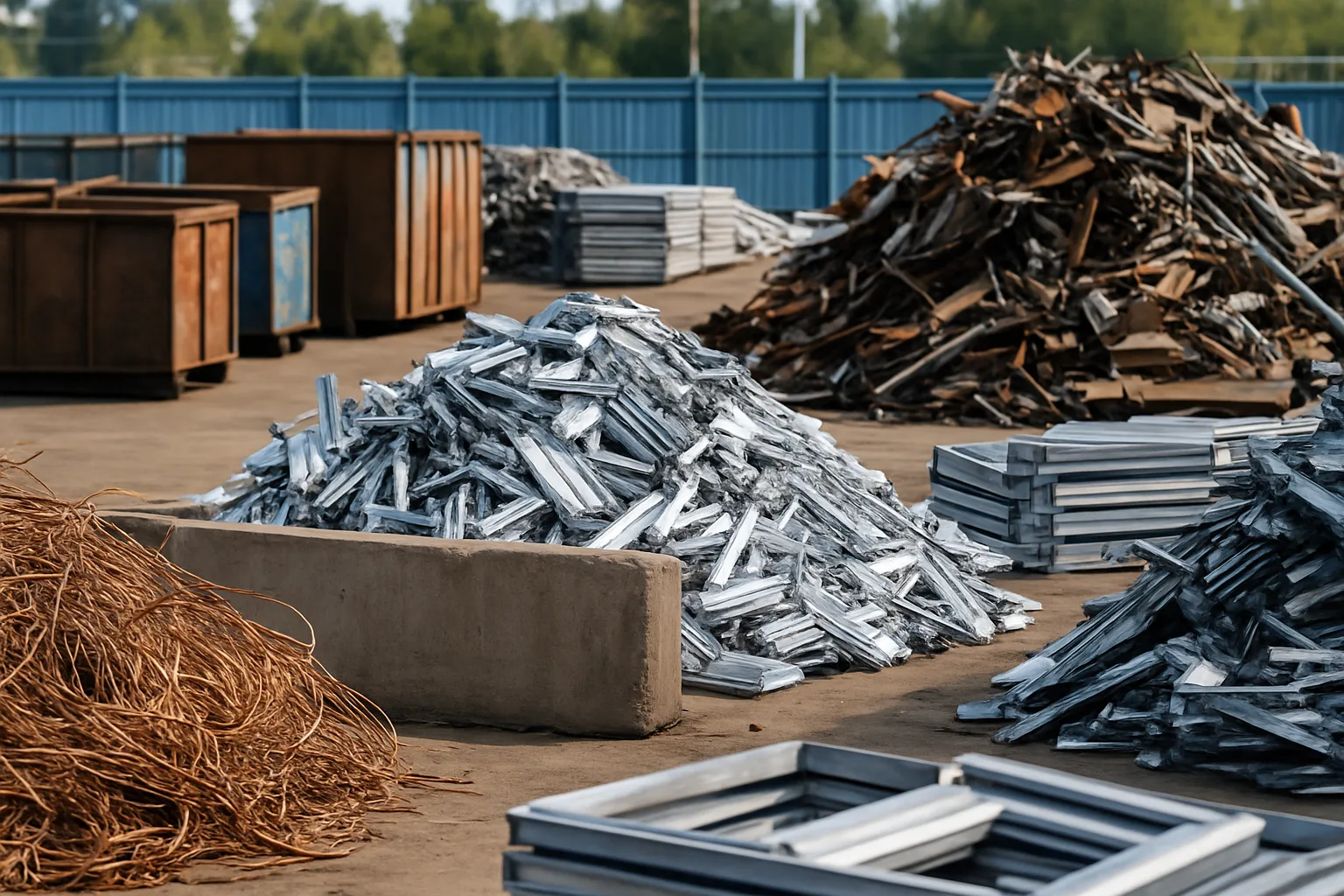
Here's how most scrap metal flows through Manitoba's recycling ecosystem:
- Generators — homeowners, farmers, contractors, businesses — gather scrap from vehicles, appliances, equipment, and construction materials.
- Collectors — services offering scrap metal pick up in Winnipeg and Manitoba — transport material to processing facilities.
- Processors and recyclers sort, shred, and prepare metal for resale to mills and foundries.
- End markets — steel mills, smelters, and non-ferrous processors — melt and reuse the material in new manufacturing.
Every step in that chain keeps material out of landfills and reduces the need for virgin ore extraction. Steel made from recycled scrap uses roughly 75% less energy than steel made from raw iron ore. That's not a minor efficiency gain — it's the core environmental case for this entire industry.
---The Environmental Impact of Scrap Vehicle Pick Up in Winnipeg
Vehicles are among the most recyclable products ever manufactured. A typical car is made of roughly 65–70% steel and iron by weight, plus aluminum, copper, and other non-ferrous metals. When you arrange scrap vehicle pick up in Winnipeg, you're not just clearing space in your driveway — you're sending hundreds of kilograms of recoverable material back into the supply chain.
The environmental math is significant. Each tonne of recycled steel saves approximately 1.1 tonnes of iron ore, 630 kilograms of coal, and 55 kilograms of limestone from being extracted. For Manitoba, where agriculture, construction, and transportation generate steady volumes of end-of-life vehicles and equipment, that adds up fast.
Beyond the metal itself, proper vehicle recycling handles hazardous materials that would otherwise leach into soil and groundwater:
- Engine oil and transmission fluid — drained and processed separately
- Coolant (antifreeze) — recovered and recycled or neutralized
- Refrigerants — extracted from A/C systems under controlled conditions
- Catalytic converters — recovered for their platinum group metals (PGMs)
- Batteries — separated for lead-acid recycling streams
A car left rusting in a field doesn't just look bad. It slowly releases all of those materials into the ground. Getting that vehicle into the recycling system is one of the most straightforward environmental wins a property owner can make.
---How Free Scrap Pick Up in Manitoba Works — and Who Qualifies
The phrase "free scrap pick up" gets thrown around loosely. Here's the honest version: free pick up for qualifying loads is real, but it's not universal. Pickup costs money — fuel, labour, a truck, scheduling. That cost gets absorbed when the load is large enough or valuable enough to justify it.
In Manitoba, qualifying loads typically include:
- Multiple scrap vehicles (cars, trucks, farm equipment)
- Commercial volumes of non-ferrous material — copper wire, aluminum, brass
- Farm or acreage cleanouts with significant metal tonnage
- Construction site cleanups with structural steel or mixed metals
- Bulk appliance pickups (multiple units from a rental property or business)
Single-item pickups — one appliance, one small load — may involve a pickup fee, or you may be better served dropping the material off directly at a recycling facility. If you're not sure whether your load qualifies for free pick up, the fastest way to find out is to call 1-855-SMASH-74 or book your free scrap pick up through SMASH Recycling and describe what you've got.
One hard rule: we don't enter private homes. Items need to be accessible — outside, in a garage with the door open, or staged at a loading area. This keeps things efficient and straightforward for everyone.
---Metal Recycling Near Me in Winnipeg: What SMASH Brings to the Table
When most people search for metal recycling near me in Winnipeg, they're looking for two things: convenience and a fair price. The old way of doing this — calling one buyer, getting one offer, taking it or leaving it — doesn't serve sellers well. You have no way of knowing if the number you got is the market rate or a lowball.
SMASH changes that dynamic. Instead of a single phone call to a single buyer, SMASH puts your load in front of vetted buyers who compete for it. That competition is how you discover what the market will actually pay. More buyers bidding means better price discovery — not a guaranteed higher price every time, but a real market signal instead of a guess.
For Winnipeg sellers specifically, SMASH handles the documentation side too. Catalytic converters, for example, require serial tracking and photo documentation under the Manitoba Scrap Metal Act. SMASH's inventory tools support that process, which means you're not scrambling to figure out the compliance requirements on your own. If you want to sell catalytic converters from a vehicle or a shop inventory, documented loads move faster and attract more serious buyers.
The platform charges no subscription fees. SMASH only wins when the seller wins — that alignment matters. Read scrap metal pick up guides for Winnipeg to understand how the process works before your first transaction.
---Case Study: A Manitoba Farmer Clears 30 Years of Equipment
Here's a realistic picture of how this plays out in practice. A Manitoba farmer outside Winnipeg — let's call it a mixed grain operation near Portage la Prairie — had accumulated decades of worn-out equipment. Two combines, four trucks, a pile of header frames, corrugated steel from a demolished bin, and assorted iron scattered across two lots.
The farmer's options were: hire a scrapper to haul it at whatever rate they offered, or post the load through a platform like SMASH and let buyers compete. He chose the competitive route. The documented inventory — photos, weights, VIN lookups on the vehicles — gave buyers the confidence to bid aggressively. The combines had significant non-ferrous content in their wiring and hydraulic fittings. The trucks were titled and transferred cleanly under Manitoba Scrap Metal Act requirements.
The result wasn't magic. It was just the market working the way it's supposed to: multiple buyers, documented material, competitive bids. The farmer cleared the yard, got paid, and didn't have to negotiate blind against a single buyer with no reference point. That's what schedule your scrap metal pick up in Winnipeg and surrounding Manitoba communities looks like when it's done right.
Whether you're a farmer with a yard full of iron or a Winnipeg homeowner with a dead car in the driveway, the process follows the same logic: document what you have, get it in front of the right buyers, and let competition do the work.
---What to Do Before You Book Your Scrap Pick Up
A little preparation makes the whole process smoother — and can affect the value of your load.
- Locate your title or TOD documentation for any scrap vehicles. This is mandatory under the Manitoba Scrap Metal Act and non-negotiable for any compliant recycler.
- Separate your metals where possible. Copper, aluminum, and brass are worth significantly more than mixed steel. Keeping them separate — even loosely — helps buyers assess value accurately.
- Take photos of your load. Better documentation = more buyer confidence = better price discovery.
- Make the load accessible. Items should be outside or in an accessible garage. We don't enter homes.
- Note any catalytic converters or electronics. These have specific handling and documentation requirements. Flag them upfront.
- Describe the volume honestly. Qualifying for free pick up depends on load size — give an accurate picture when you inquire.
Manitoba's recycling programs work best when sellers come prepared. It saves time on both sides and gets your material processed faster.
---Frequently Asked Questions
Q: Do I need a title to arrange scrap vehicle pick up in Winnipeg?
Yes. Under the Manitoba Scrap Metal Act, any scrap vehicle transaction requires a title or Transfer on Death (TOD) document. This applies to cars, trucks, vans, and other registered vehicles. No compliant recycler in Manitoba will accept a vehicle without proper documentation — and any that do are putting you and themselves at legal risk.
Q: Is scrap metal pick up really free in Manitoba?
Free pick up is available for qualifying loads — typically bulk volumes, multiple vehicles, farm cleanouts, or commercial quantities of non-ferrous metal. Single items or small loads may involve a pickup fee. When in doubt, call 1-855-SMASH-74 and describe your load. We'll tell you straight whether it qualifies.
Q: Can I sell catalytic converters through SMASH in Winnipeg?
Yes. SMASH supports catalytic converter transactions with serial tracking and photo documentation — which is exactly what the Manitoba Scrap Metal Act requires. Documented loads attract more serious buyers and move faster through the auction process. Don't try to sell cats without proper documentation; it creates compliance problems for everyone in the chain.
Q: What happens to my scrap car after pick up?
After pick up, the vehicle goes to a licensed auto recycler or processor. Fluids and hazardous materials are drained and handled separately. The body is shredded for steel recovery. Catalytic converters, copper wiring, and aluminum components are sorted for non-ferrous processing. Virtually all of a modern vehicle is recyclable when handled properly.
Q: How long does it take to schedule a scrap metal pick up in Winnipeg?
Timing varies depending on load size, location, and current scheduling. Bulk loads from commercial or farm properties can often be picked up within a few business days. Smaller residential jobs may take slightly longer. The fastest way to get a timeline is to contact us directly at 1-855-SMASH-74 or through scrap-metal-pick-up.ca with details about your load and location.
---Manitoba's scrap metal recycling system works when everyone in the chain does their part — and your part starts with a phone call. If you've got scrap vehicles, appliances, or bulk metal sitting on your property in or around Winnipeg, free scrap metal pick up for qualifying loads is available. We're Manitoba Scrap Metal Act compliant, fully documented, and ready to move your material. Call 1-855-SMASH-74 or visit scrap-metal-pick-up.ca to get started.
Stay current on scrap metal market conditions and industry updates — follow SMASH on LinkedIn for practical insights from inside the recycling industry.