Sort It Right and Get Paid Faster: Scrap Metal Prep Tips for Winnipeg Residents
Most people leave money on the table before the truck even pulls up. Not because they have bad scrap — because they haven't sorted it. Scrap metal recycling Winnipeg residents do right starts before pick up day, not after. A little prep work means faster service, fewer rejected loads, and better price discovery when your material hits the market.
This guide breaks down exactly how to sort, stage, and document your scrap so pick up goes smoothly — whether you're clearing out a garage, finishing a renovation, or handing over an end-of-life vehicle. If you're doing this for the first time, you're in the right place.
Why Sorting Your Scrap Before Pick Up Actually Matters
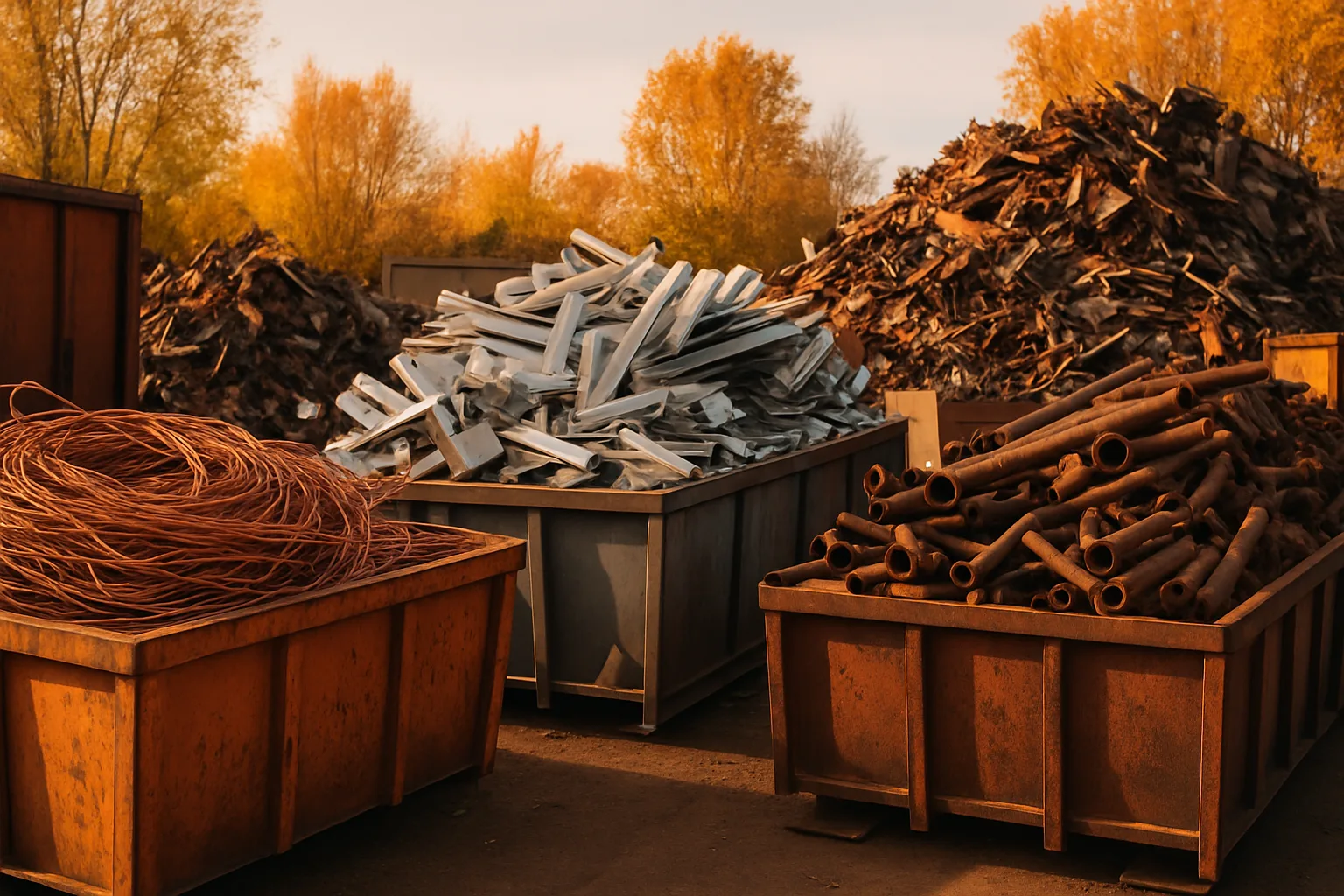
Mixed loads slow everything down. When ferrous and non-ferrous metals arrive unsorted, recyclers have to process them separately — and that extra labour gets priced into what they'll offer you. Clean, sorted material is easier to quote, easier to move, and more competitive when it reaches buyers.
Think about it from the buyer's perspective. A load of clean copper wire is worth quoting confidently. A bin of mystery metal with copper, steel, aluminum cans, and old pipe fittings all thrown in together? That's a headache — and the price reflects it. Platforms like SMASH Recycling connect sellers with vetted buyers who are competing for documented, sorted material. Sorting isn't just good housekeeping. It's a commercial decision.
Here's the basic split you should aim for before pick up:
- Ferrous metals — anything a magnet sticks to: structural steel, iron pipe, rebar, old appliances (bodies only)
- Non-ferrous metals — aluminum, copper, brass, stainless steel, lead
- E-waste and components — circuit boards, motors, wiring harnesses (keep separate)
- Scrap vehicles — handled differently; see the section below
How to Sort Common Scrap Metals Found in Winnipeg Homes and Garages
Manitoba winters are hard on buildings, vehicles, and equipment. That means most Winnipeg households and contractors sitting on scrap have a mix of materials that's accumulated over years — sometimes decades. A garage cleanout in St. James or a farm outbuilding near Steinbach can yield surprising amounts of high-value non-ferrous if you know what to look for.
Start with a magnet. It's the fastest sorting tool you have. Stick it to anything metal. If it sticks, it's ferrous (steel or iron). If it doesn't, you're likely looking at aluminum, copper, brass, or stainless — all of which carry higher value per pound.
Common items and how to handle them:
- Old appliances (fridges, washers, dryers, stoves): These are primarily steel — ferrous. Drain any remaining fluids, leave doors accessible, and keep them outside or in a garage. For scrap metal pick up in Winnipeg and Manitoba, appliances are among the most common items we handle. Note: freon-containing units (refrigerators, A/C) must be degassed before recycling — confirm this with your recycler.
- Copper pipe and wire: Strip insulation from wire where you safely can — bare bright copper is worth more than insulated wire. Keep copper separate from everything else. Even a few pounds of clean copper makes a difference.
- Aluminum: Window frames, storm doors, cast aluminum parts, and rims. Don't mix cast aluminum with sheet aluminum if you can help it — they carry slightly different values.
- Brass fittings and valves: Common in older Winnipeg homes with original plumbing. Often overlooked. Brass is worth keeping separate — it's one of the higher-value non-ferrous materials.
- Rebar and structural steel: Keep it bundled or stacked flat. Long loose lengths create staging problems. Cutting it down to manageable sizes (4–6 feet) speeds up loading.
- Stainless steel: Sinks, commercial kitchen equipment, exhaust components. Stainless doesn't stick to a magnet consistently — use the magnet as a first pass, but visually confirm.
Appliance Pick Up in Winnipeg — What to Do Before We Arrive
Appliance pick up Winnipeg residents book most often involves fridges, freezers, stoves, dishwashers, washers, and dryers. These are bulk items — heavy, awkward, and often stored in tight spaces. A few simple steps on your end make the whole process faster.
First, move appliances outside or to a garage-accessible area. We do not enter private homes — items need to be staged where they can be accessed safely without entering living spaces. Second, disconnect power and water lines before pick up day. Third, check for any hazardous materials: refrigerants in fridges and freezers, capacitors in older microwaves, or mercury switches in some older appliances.
For qualifying loads — meaning multiple appliances, a garage cleanout, or commercial volumes — pick up is free. A single appliance may not qualify for free pick up; in those cases, drop-off at a local recycling facility is the better option. Not sure if your load qualifies? Schedule your scrap metal pick up in Winnipeg and we'll confirm on the spot.
Scrap Car Pick Up in Winnipeg — Documentation Is Non-Negotiable
If you're handing over an end-of-life vehicle — whether it's a rust bucket in the back yard, a flood-damaged car, or a vehicle that simply isn't worth repairing — documentation is the first thing to sort out. Not the last.
Under the Manitoba Scrap Metal Act, scrap vehicles require either a valid title in the seller's name or a Transfer on Death (TOD) document. This isn't a technicality. It's the law, and it's designed to prevent vehicle theft and protect sellers. We will not pick up a scrap vehicle without proper documentation — full stop.
Here's what to have ready before scrap car pick up:
- Vehicle title (ownership) — must match your ID
- Transfer on Death (TOD) documentation — if the registered owner is deceased
- Valid government-issued ID — required at time of pick up
- Licence plates removed — return them to MPI or confirm surrender before pick up
- Keys available — even if the vehicle doesn't run
If you're dealing with a vehicle that has a lien, a missing title, or ownership complications, sort that out with MPI before booking pick up. Missing paperwork delays the whole process.
Once documentation is confirmed, drain or disclose any fluids remaining in the vehicle. Catalytic converters, batteries, and tires are handled separately in the recycling stream — your recycler will manage that, but it's worth knowing. For more guidance on the documentation process and what to expect, read scrap metal pick up guides for Winnipeg.
Staging Your Load: How to Set Up for a Fast Pick Up
Good staging saves time for both sides. A well-organized load takes less time to load, reduces back-and-forth, and makes it easier to confirm weights and categories on the spot. This is especially important for larger commercial or contractor volumes where multiple material types are involved.
Stage your scrap in distinct groupings — ferrous in one area, non-ferrous separated by type if you can, vehicles staged with clear access. Leave enough room for a truck to approach safely. Don't bury high-value materials under steel.
For businesses, contractors, and property managers handling recurring volumes, a B2B scrap metal marketplace approach makes even more sense. Documenting your loads with photos, weights, and inventory details — the way SMASH handles it — gives buyers the confidence to bid competitively. Transparency drives better price discovery. That's the core difference between calling one buyer and putting your load in front of multiple vetted buyers simultaneously.
Our Winnipeg scrap metal services are built for exactly this — residential cleanouts, contractor volumes, and everything in between.
What Happens After Pick Up — How SMASH Moves Your Material
Once your scrap is picked up and documented, it doesn't just disappear into a yard. For loads processed through SMASH, material is catalogued, photographed, and listed for competitive auction with vetted buyers across North America. That means multiple buyers are looking at your load — not just one recycler with a price that's convenient for them.
More buyers means better price discovery. That's not a slogan — it's how auctions work. When buyers compete, sellers find out what the market will actually pay. No subscription fees. No locked-in relationships. SMASH only wins when you win.
If you're a Winnipeg resident or Manitoba business with regular scrap volumes, it's worth understanding how the downstream market works. List your scrap for pickup on SMASH Recycling and see what competitive bidding looks like for your material.
Ready to clear the yard? Free scrap metal pick up is available for qualifying loads across Winnipeg and Manitoba — Manitoba Scrap Metal Act compliant, no guesswork, no surprise fees. Call 1-855-SMASH-74 or visit scrap-metal-pick-up.ca to get started. Qualifying loads include garage cleanouts, multiple appliances, scrap vehicles with documentation, farm equipment, and commercial volumes.
Frequently Asked Questions
Q: How do I know if my scrap load qualifies for free pick up in Winnipeg?
Qualifying loads generally include bulk scrap, multiple appliances, scrap vehicles with proper documentation, contractor cleanouts, and commercial volumes of non-ferrous material. Single-item pick ups may have a fee — drop-off at a local recycling facility is often the better option for small loads. When in doubt, contact us to confirm before booking.
Q: What documents do I need for scrap car pick up in Winnipeg?
Under the Manitoba Scrap Metal Act, you need a valid vehicle title in your name and government-issued ID. If the registered owner is deceased, a Transfer on Death (TOD) document is required. We will not pick up a vehicle without proper documentation — this protects both the seller and the recycler.
Q: Can I mix different types of scrap metal for pick up?
You can, but separating ferrous from non-ferrous materials before pick up typically results in better pricing. Mixed loads take longer to process, and that cost often gets reflected in the offer. At minimum, keep copper, aluminum, and brass separate from steel and iron.
Q: Do I need to be home for scrap metal pick up?
For residential pick ups, someone should be available to confirm the load and provide ID — especially for scrap vehicle pick up where documentation is required. Items should be staged outside or in an accessible garage. We do not enter private homes.
Q: Does scrap metal recycling in Winnipeg cover areas outside the city?
Yes. We service Winnipeg and surrounding Manitoba communities. If you're outside city limits with a qualifying load — a farm cleanout, rural equipment, or commercial scrap volume — contact us to confirm pick up availability in your area.
Stay current on scrap metal market conditions, industry news, and recycling insights — follow SMASH on LinkedIn at linkedin.com/company/scrap-metal-auction-sales-hub.
Disclaimer: Scrap metal prices fluctuate based on global commodity markets, local supply and demand, and material grade. Always confirm current rates at time of pick up. Prices referenced in general guidance reflect typical market categories, not guaranteed offers.