Scrap Car Removal in Winnipeg: Every Piece of Paperwork You Actually Need
Most people think scrapping a car in Winnipeg is as simple as calling someone, having it towed away, and collecting cash. It's not. Miss one document and your vehicle goes nowhere — or worse, it moves and creates a legal headache you didn't see coming. Manitoba has specific rules under the Manitoba Scrap Metal Act, and scrap yards have to follow them whether you like it or not.
This guide breaks down exactly what paperwork you need, what happens if you don't have it, and how to make scrap metal pick up in Winnipeg and Manitoba as smooth as possible. Whether you have a rusted-out half-ton sitting in your backyard or a fleet vehicle that's reached the end of its road life, get these documents sorted before you call.
Why the Manitoba Scrap Metal Act Changes Everything for Scrap Car Pick Up
The Manitoba Scrap Metal Act exists to close the loop on stolen vehicle recycling. Before the Act, a stolen car could disappear into a scrap yard within 48 hours with no trace. Now, licensed recyclers are legally required to verify ownership before accepting any vehicle. This is non-negotiable — no documentation, no pickup, full stop.
This matters for you because showing up unprepared wastes everyone's time. Scrap yards in Winnipeg can face serious penalties for accepting vehicles without proper documentation. That means they won't bend the rules for you, no matter how convincing your story is. The good news? If you own the vehicle outright and have the right paperwork, the process is genuinely straightforward. Here's what you need.
The Core Documents: What Qualifies as Proof of Ownership for Scrap Car Removal in Winnipeg
Under the Manitoba Scrap Metal Act, you need to prove the vehicle is yours before any licensed recycler can take it. The accepted forms of proof are specific. Here's the list:
- Vehicle Title (Certificate of Title): The primary document. Your name must appear as the registered owner. If you bought the vehicle privately and never transferred the title into your name, fix that first at Manitoba Public Insurance (MPI) before calling for pickup.
- Transfer on Death (TOD) Documentation: If the registered owner is deceased, you'll need estate documentation showing you have the legal authority to dispose of the vehicle. This typically includes probate papers or letters of administration, depending on the situation.
- Bill of Sale (supporting document): In some cases — particularly with older vehicles where titles are missing — a bill of sale may support your claim, but it typically cannot stand alone. Contact your recycler in advance to confirm what they'll accept.
- Government-Issued Photo ID: Your driver's licence or other valid ID. The name on your ID must match the name on the title. No match, no deal.
- MPI Deregistration or Cancel Plates confirmation: Not always mandatory at the point of pickup, but you should cancel your plates and insurance before the vehicle leaves. MPI makes this easy to do online or in person.
Don't assume that because a vehicle has been sitting in your yard for ten years, documentation doesn't apply. The Act doesn't have a "grandfather clause" for neglected vehicles. Age of the car is irrelevant — proof of ownership is always required.
What Happens If You Don't Have the Title for Your Scrap Car
This is the most common problem people run into. You bought a car years ago, never registered it, or inherited it from a family member who passed away. The title is nowhere to be found. Here's how to handle each scenario:
Lost or Missing Title
Contact Manitoba Public Insurance to request a replacement title. You'll need to provide the VIN, your personal identification, and proof of your connection to the vehicle. Processing times vary, but this is the cleanest path forward. Don't skip this step hoping a recycler will look the other way — they won't.
Deceased Owner / Estate Situations
This is where TOD documentation comes in. If a parent or spouse passed away and left a vehicle behind, you'll need legal authority to act on behalf of the estate. Work with a Manitoba estate lawyer or connect with MPI directly to understand what's required before you schedule your scrap metal pick up in Winnipeg. Estate paperwork varies depending on whether the person had a will and whether probate was required.
Vehicle Purchased Privately Without Title Transfer
If you bought a car privately and the previous owner never transferred the title, you technically don't have legal ownership on paper — even if you paid cash and have a bill of sale. You'll need to get that transfer completed at MPI before any licensed recycler can legally accept the vehicle from you.
This step protects you as much as it protects the recycler. If that vehicle was flagged for any reason — unpaid fines, prior theft reports, anything — you want the title in your name and the situation clean before it goes to scrap.
Comparing Your Options: Scrap Car Removal vs. Selling Privately vs. Auction Platforms
Once your paperwork is in order, you have a few ways to get value out of a scrap or end-of-life vehicle. Here's a straight comparison:
- Traditional Scrap Car Removal (One Buyer): You call one yard, they quote you a price, you take it or leave it. Fast and simple, but you have zero visibility into whether that price reflects the actual market. One buyer means one number — with no competition to test it against.
- Private Sale: Works best for vehicles with some remaining life in them. For a true end-of-life vehicle with a seized engine and rot in the frame, you'll spend more time on Facebook Marketplace than the car is worth. It's also harder to manage documentation when selling privately, since the onus is on you to ensure the title transfer happens correctly.
- Auction and Competitive Platforms: This is where platforms like list your scrap for pickup on SMASH Recycling change the dynamic. SMASH connects sellers with vetted buyers across North America, creating competition that helps reveal what the market will actually pay. For yards and commercial sellers managing multiple vehicles or bulk non-ferrous, SMASH's inventory tools — including VIN lookup, photo documentation, and serial tracking — make the process transparent and auditable. More buyers means better price discovery. That's not marketing language; it's how competitive markets work.
For a single personal vehicle, scrap car removal services are often the most practical route. For commercial fleets, estate sales with multiple vehicles, or anyone who wants real price transparency, competitive platforms are worth understanding. You can also read scrap metal pick up guides for Winnipeg to understand how to get the most from your load regardless of which route you choose.
What to Expect During Scrap Car Pick Up in Winnipeg — Step by Step
Here's what a compliant, friction-free scrap car removal looks like from start to finish:
- Gather your documents first. Title, government-issued ID, and any supporting estate or TOD documentation if applicable. Do not call for pickup before you have these ready.
- Remove personal belongings. Check the glove box, under seats, in the trunk. You'd be surprised what gets left behind. Remove licence plates — those stay with you or get turned in to MPI.
- Cancel your insurance and plates. Do this before or immediately after the vehicle is picked up. MPI allows you to do this online or by phone.
- Drain or disclose fluids. Some recyclers handle this themselves. Others want the vehicle fully drained of oil, coolant, and fuel before pickup. Ask in advance.
- Confirm the vehicle is accessible. We do not enter private homes. The vehicle must be outside, in a garage with clear access, or otherwise reachable without entering your residence.
- Sign over the title at pickup. The recycler's driver or representative will collect the title at the time of pickup. You sign it over at that point. Keep a copy for your records.
- Receive confirmation of pickup. A legitimate recycler will give you a receipt or confirmation document. Keep it. This is your proof the vehicle left your possession legally.
Free pick up is available for qualifying loads — bulk vehicles, fleet disposals, and commercial quantities generally qualify. A single vehicle with significant scrap value (heavy truck, van, or larger car) often qualifies too. Smaller or lighter vehicles may have a pickup fee, or you may be directed to drop off at the yard directly. Ask when you call.
Beyond Cars: Other Metals That Qualify for Free Pick Up in Winnipeg
Scrap car removal is one piece of what we do. If you're cleaning out a property, managing a commercial site, or dealing with an estate in Winnipeg, you likely have more scrap than just a vehicle. Common qualifying loads include:
- Old appliances — washers, dryers, fridges, stoves (bulk quantities for free pick up)
- Structural steel, pipe, and beam from demolition or renovation
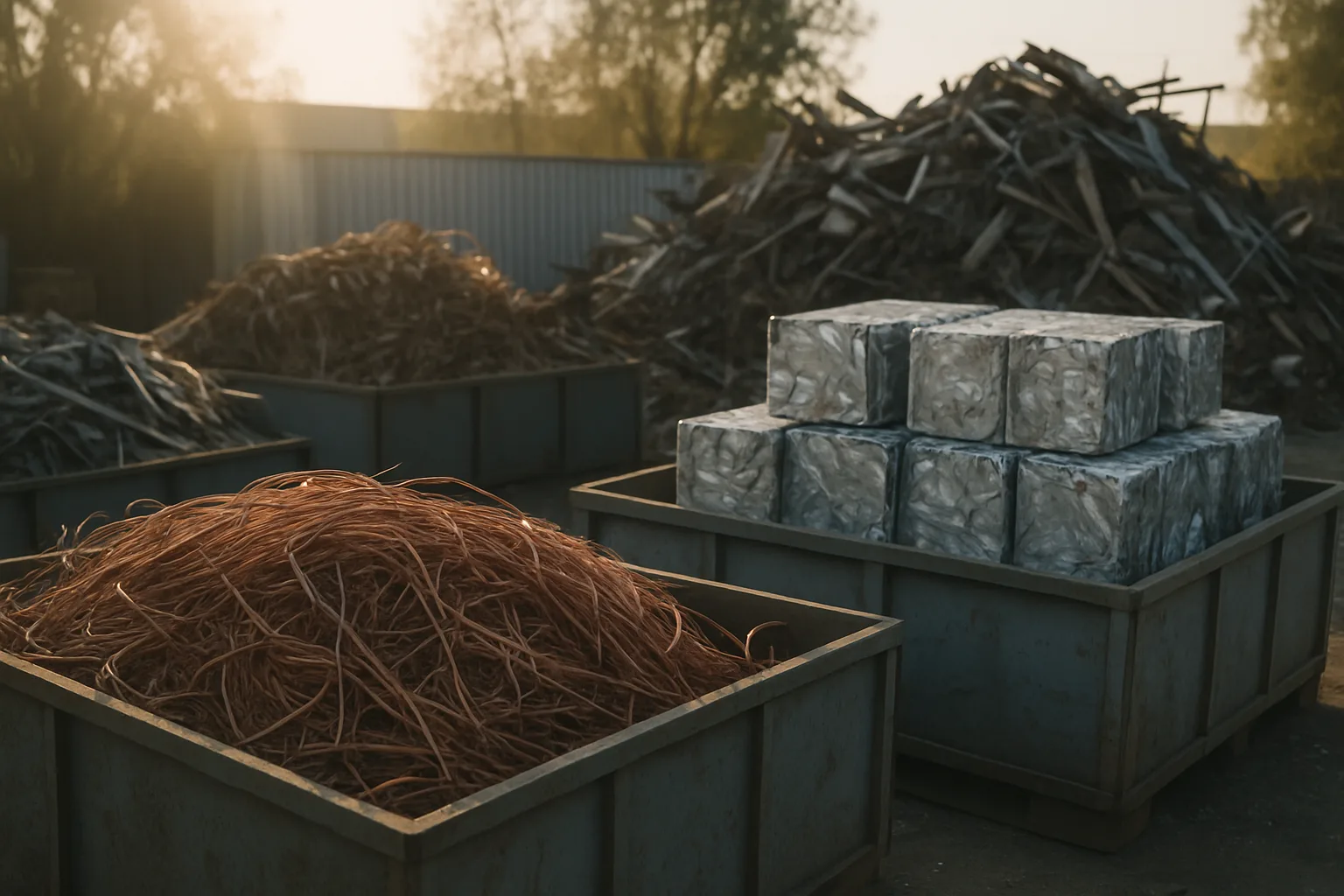
- Copper wire, brass fittings, and aluminum from commercial trade work
- Farm equipment and machinery — combines, augers, implement frames
- HVAC equipment, electrical panels, and commercial kitchen equipment
The more you have, the more likely it qualifies as a free pick up in Winnipeg. Single items or small loads may involve a fee — drop-off at a local yard is often the better call for those. Our Winnipeg scrap metal services page covers what qualifies and how to get started.
If you're managing bulk scrap from a yard or commercial operation, SMASH's inventory management tools give you a documented, auditable record of every load — photos, weights, BOLs, and packing lists. That level of documentation builds buyer confidence and creates a cleaner transaction from both sides.
Frequently Asked Questions
Q: Do I need the original title to scrap a car in Winnipeg, or will a photocopy work?
Licensed recyclers under the Manitoba Scrap Metal Act require the original title — not a photocopy. If you've lost the original, contact Manitoba Public Insurance to request a replacement before scheduling pickup. A photocopy alone will not satisfy the legal requirement.
Q: How do I scrap a car that belonged to a deceased family member in Manitoba?
You'll need Transfer on Death (TOD) documentation or estate paperwork showing legal authority to dispose of the vehicle. This typically means probate papers or letters of administration. Contact MPI or an estate lawyer in Manitoba to confirm what's required for your specific situation before booking scrap car removal in Winnipeg.
Q: Is scrap car pick up in Winnipeg always free?
Free pick up applies to qualifying loads. Heavier vehicles with solid scrap value often qualify. Lighter or older vehicles with low metal content may involve a pickup fee, or you may be directed to drop off at a yard directly. Call ahead to confirm before assuming the pickup is free.
Q: What do I do with my licence plates when scrapping a car in Manitoba?
Remove your plates before the vehicle is picked up. You can return them to MPI for a refund on unused registration, or retain them if you're transferring them to another vehicle. Do not leave plates on the vehicle when it goes to scrap — you remain associated with those plates until they're formally returned or transferred.
Q: Can I find metal recycling near me in Winnipeg for items other than cars?
Yes. Free scrap metal pick up in Winnipeg is available for bulk loads of appliances, structural steel, non-ferrous metals, and commercial quantities of copper, aluminum, and brass. Single items or small loads may not qualify for free pick up — drop-off at a local scrap yard is typically the better option for those. Call to describe your load and get a straight answer on what applies.
If you've got a scrap car sitting in your yard and the paperwork sorted, there's no reason to wait. Free scrap metal pick up is available for qualifying loads across Winnipeg and Manitoba — and the process is straightforward when you come prepared. We're Manitoba Scrap Metal Act compliant, and we keep it clean on the documentation side every time. Call 1-855-SMASH-74 or visit scrap-metal-pick-up.ca to get started.
Stay current on scrap metal market conditions and industry updates by following SMASH on LinkedIn: follow SMASH Scrap Metal Auction Sales Hub on LinkedIn.