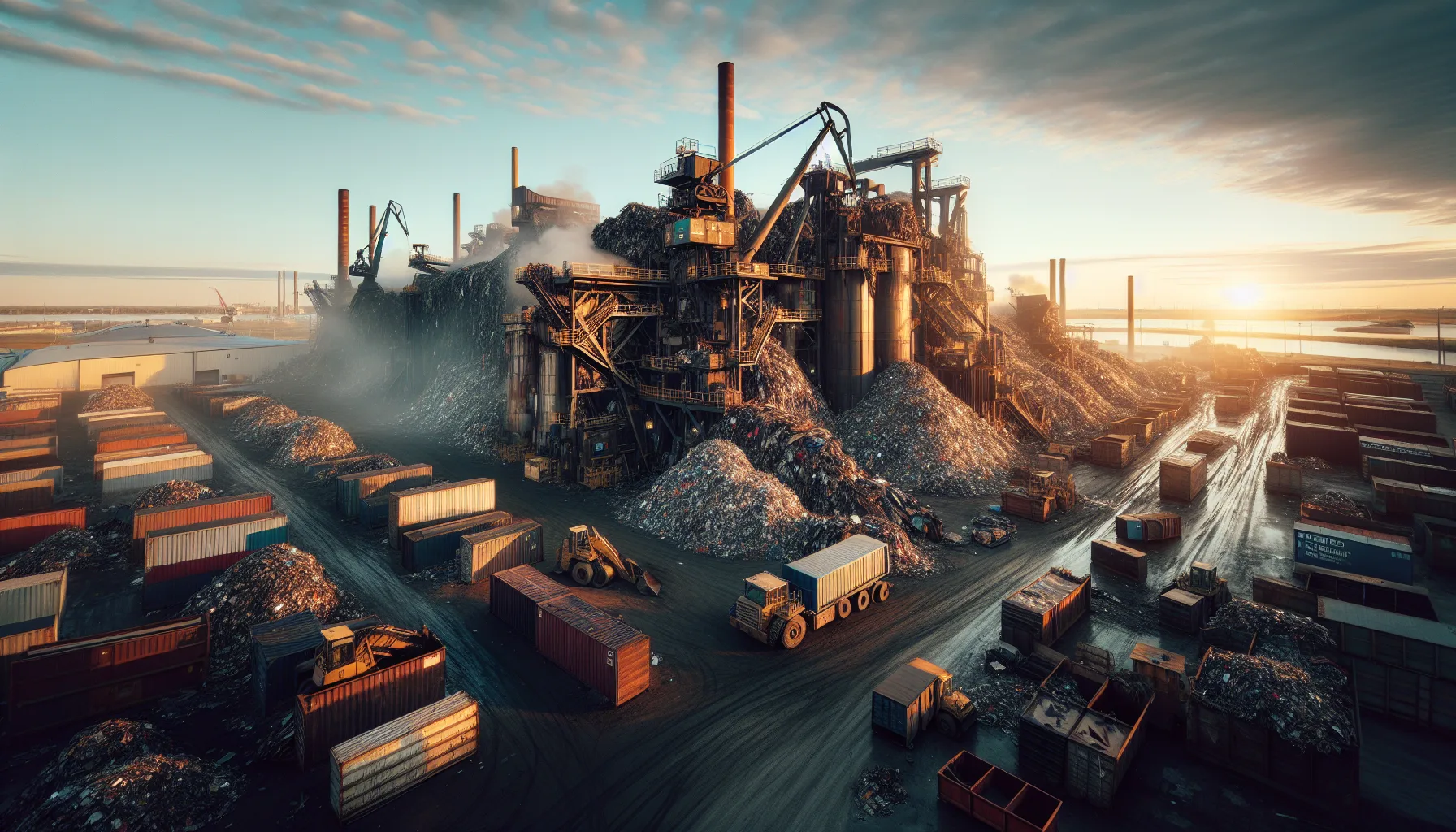
Manitoba's commitment to environmental sustainability through metal recycling programs has positioned the province as a leader in circular economy initiatives. With over 180,000 tonnes of scrap metal processed annually across the province, these programs directly reduce landfill waste while creating economic opportunities for residents. Scrap vehicle pick up Winnipeg services play a crucial role in this ecosystem, transforming end-of-life vehicles into valuable raw materials that support both environmental goals and local industry.
The environmental impact extends far beyond simple waste reduction. Every tonne of recycled steel saves approximately 2,500 pounds of iron ore, 1,400 pounds of coal, and 120 pounds of limestone from extraction. When you consider that Manitoba processes thousands of scrap vehicles annually, the cumulative environmental benefits become staggering.
Manitoba's Provincial Scrap Metal Recycling Framework
The Manitoba Scrap Metal Act forms the regulatory backbone of the province's recycling programs, establishing strict documentation requirements and environmental standards that protect both consumers and the ecosystem. This legislation mandates that all scrap vehicle pick up Winnipeg operations maintain detailed records and ensure proper title verification, creating a transparent chain of custody that prevents theft while promoting legitimate recycling.
The provincial framework encompasses several key components that make Manitoba's approach unique. First, the integrated dealer licensing system ensures that only qualified operators handle scrap metal transactions. Second, mandatory reporting requirements create comprehensive data on material flows, enabling better environmental planning and resource management.
SMASH operates within this regulatory framework, providing scrap metal pick up in Winnipeg and Manitoba services that exceed provincial compliance standards. The company's commitment to transparent operations and environmental responsibility aligns perfectly with Manitoba's circular economy objectives.
The provincial government has also invested heavily in public education campaigns that highlight the importance of proper scrap metal disposal. These initiatives have increased participation rates in recycling programs by over 35% since 2024, demonstrating how education and accessible services drive environmental progress.
Environmental Benefits of Vehicle and Metal Recycling Programs
Vehicle recycling represents one of the most impactful environmental programs in Manitoba's portfolio. A single recycled vehicle prevents approximately 25 million BTUs of energy consumption compared to producing equivalent new materials. This energy savings translates to reduced greenhouse gas emissions equivalent to taking a passenger vehicle off the road for six months.
The environmental benefits compound when examining the complete lifecycle of recycled materials. Steel from scrapped vehicles maintains its structural properties through multiple recycling cycles, creating a truly circular material stream. Aluminum components offer even greater environmental returns, with recycled aluminum requiring 95% less energy than primary aluminum production.
- Soil Protection: Proper vehicle recycling prevents battery acid, motor oil, and coolant from contaminating groundwater
- Air Quality Improvement: Recycling one tonne of steel eliminates 1.5 tonnes of CO2 emissions compared to virgin steel production
- Resource Conservation: Vehicle recycling recovers rare earth elements and precious metals that would otherwise require environmentally destructive mining
- Habitat Preservation: Reduced mining demand protects wilderness areas and wildlife habitats from industrial development
SMASH's approach to metal recycling near me Winnipeg maximizes these environmental benefits through comprehensive material recovery. The company's systematic dismantling process ensures that even small components like catalytic converters and electronic modules are properly processed, preventing valuable materials from entering landfills.
Economic and Community Impact of Recycling Programs
Manitoba's scrap metal recycling programs generate significant economic activity while supporting environmental goals. The industry employs over 2,400 people across the province, from collection and processing workers to administrative and logistics personnel. These jobs often provide stable employment in rural communities where economic opportunities may be limited.
The ripple effects extend throughout Manitoba's economy. Local auto parts businesses benefit from the steady supply of reusable components, while construction and manufacturing industries access affordable recycled materials. This economic ecosystem demonstrates how environmental programs can drive prosperity rather than impose costs.
Community programs have emerged around free scrap pick up Manitoba initiatives, with municipalities partnering with private companies to organize collection events. These programs serve multiple purposes: they provide convenient disposal options for residents, generate revenue for community organizations, and ensure materials reach appropriate recycling facilities.
The cash-for-scrap model has proven particularly effective in engaging residents. When people can sell scrap metal online or through local pickup services, they become active participants in the circular economy. SMASH facilitates this participation by offering transparent pricing and convenient scheduling through schedule scrap metal pick up through SMASH platform.
Small businesses and contractors represent a significant portion of the recycling stream. Construction companies generate substantial amounts of scrap metal during renovation and demolition projects. By connecting these businesses with reliable pickup services, Manitoba's programs capture materials that might otherwise end up in general waste streams.
Technology and Innovation in Manitoba Metal Recycling
Advanced sorting technologies have revolutionized scrap metal processing across Manitoba, enabling more precise material separation and higher recovery rates. Eddy current separators, optical sorting systems, and automated dismantling equipment allow processors to extract maximum value from each load while minimizing environmental impact.
Digital platforms have transformed how residents and businesses access recycling services. Modern scrap metal pickup near me for cash services utilize mobile apps and online scheduling systems that make participation effortless. These technological improvements have increased service accessibility, particularly in rural Manitoba communities where traditional collection methods were less efficient.
SMASH exemplifies this technological integration, offering online scheduling and real-time pricing updates that keep customers informed about market conditions. The company's digital approach streamlines the entire process from initial contact through final payment, reducing administrative costs while improving customer experience.
Environmental monitoring technology ensures that recycling operations meet or exceed provincial standards. Automated tracking systems monitor emissions, water usage, and waste generation, providing real-time data that supports continuous improvement initiatives. This technology-driven approach has helped Manitoba's recycling facilities achieve some of the highest environmental performance standards in North America.
Challenges and Solutions in Scrap Metal Collection
Geographic dispersion presents unique challenges for metal removal companies near me operating across Manitoba's vast territory. Rural properties may be located hours from processing facilities, making collection logistics complex and potentially expensive. However, innovative routing algorithms and strategic depot locations have improved service coverage while maintaining economic viability.
Seasonal variations significantly impact collection patterns in Manitoba. Spring cleanups generate substantial volumes of scrap metal as residents clear winter accumulations, while harsh winter weather can limit access to rural properties. Successful companies adapt their operations to these patterns, adjusting staffing and equipment deployment throughout the year.
Fraud prevention remains a critical concern, particularly for high-value materials like copper and catalytic converters. The Manitoba Scrap Metal Act addresses these issues through documentation requirements and dealer licensing, but companies must also implement their own verification procedures to maintain program integrity.
Education continues to be essential for program success. Many residents remain unaware of recycling opportunities or unclear about proper preparation procedures. Community outreach programs and partnerships with local organizations help bridge these knowledge gaps. read scrap metal pick up guides for Winnipeg provides comprehensive information that empowers residents to participate effectively.
Future Outlook for Manitoba Recycling Programs
Manitoba's recycling programs are poised for significant expansion as environmental awareness increases and technology continues advancing. Provincial targets call for a 50% increase in metal recovery rates by 2030, supported by enhanced collection infrastructure and improved processing capabilities.
Electric vehicle adoption will reshape the recycling landscape over the next decade. While traditional internal combustion engines contain substantial amounts of recyclable materials, electric vehicles present new challenges and opportunities. Battery recycling programs will become increasingly important as the electric vehicle fleet ages and requires end-of-life processing.
Artificial intelligence and machine learning applications promise to optimize collection routes, predict material flows, and improve sorting accuracy. These technologies will enable more efficient operations while reducing environmental impact. Companies that invest in these capabilities, like SMASH scrap, will be well-positioned to serve Manitoba's evolving recycling needs.
Extended producer responsibility programs may expand to cover additional product categories, creating new material streams for recycling. These initiatives place responsibility for end-of-life management on manufacturers, providing sustainable funding for collection and processing programs.
The integration of recycling programs with broader circular economy initiatives will create new synergies and efficiencies. As Manitoba continues developing its green economy strategy, metal recycling will play an increasingly central role in achieving environmental and economic objectives. Services like schedule your scrap metal pick up in Winnipeg will be essential partners in this transition, providing the collection infrastructure that makes circular economy principles practical and profitable.
Frequently Asked Questions
Q: What documentation do I need for scrap vehicle pick up Winnipeg services?
Under the Manitoba Scrap Metal Act, you must provide either a valid vehicle title or Transfer on Death (TOD) documentation for any scrap vehicle pickup. These documents prove legal ownership and are required by law before any licensed dealer can process your vehicle.
Q: Are there minimum load requirements for free scrap metal pickup in Manitoba?
Yes, free pickup typically requires qualifying loads such as multiple appliances, bulk construction materials, or trade quantities of valuable metals like copper. Single items or small loads may incur pickup fees, though you can often avoid these by dropping materials directly at recycling facilities.
Q: How do current scrap metal prices in Winnipeg compare to other Canadian markets?
Winnipeg's scrap metal prices generally track national markets with slight regional variations based on transportation costs and local demand. Prices fluctuate daily based on global commodity markets, so it's best to check current rates when planning your pickup or sale.
Q: Can recycling companies enter my home to collect appliances or metal items?
No, licensed scrap metal pickup services do not enter private residences for safety and liability reasons. Items must be placed outside, in an accessible garage, or in another easily reachable location before the scheduled pickup time.
Q: What types of businesses benefit most from scheduled scrap metal pickup services?
Construction companies, manufacturing facilities, auto repair shops, and HVAC contractors typically generate sufficient scrap volumes to qualify for free pickup services. These businesses often have ongoing relationships with pickup services for regular material removal.
Manitoba's comprehensive approach to scrap metal recycling demonstrates how environmental programs can deliver both ecological and economic benefits. Through proper regulation, technological innovation, and community engagement, the province has created a sustainable framework that will serve as a model for other jurisdictions. Free scrap metal pick up for qualifying loads in Winnipeg and Manitoba through services like SMASH ensures that this environmental infrastructure remains accessible and effective. Manitoba Scrap Metal Act compliant operations protect both consumers and the environment while supporting the circular economy — call 1-855-SMASH-74 or visit scrap-metal-pick-up.ca.
Stay connected with industry developments and market insights by following SMASH on LinkedIn at https://www.linkedin.com/company/scrap-metal-auction-sales-hub for the latest updates on scrap metal recycling trends and environmental initiatives.