What Happens to Your Old Fridge After Pick Up? The Appliance Recycling Process Explained
Most people assume their old fridge disappears into a landfill. It doesn't — or at least, it shouldn't. A standard full-size refrigerator contains 45 to 90 pounds of recyclable steel, plus aluminum, copper wiring, and refrigerant that all require proper handling. Getting that material recovered starts with one practical step: getting the appliance outside and scheduled for pick up.
If you've got a dead washer in the laundry room, a stove that stopped working in January, or a fridge sitting in your garage taking up space, this guide walks you through exactly what to expect from scrap metal pick up in Winnipeg and Manitoba — including what qualifies for free service, what you need to do to prepare, and how the recycling process actually works from curb to smelter.
Why Appliance Pick Up in Winnipeg Comes With One Non-Negotiable Rule
The rule is straightforward: items must be outside and accessible. We don't enter private homes. Not for liability reasons, not for insurance reasons — it's just the reality of how safe, efficient pick up works at scale. If you've scheduled Winnipeg scrap metal services and your washer is still sitting inside your back door, the driver can't take it.
That means your prep work happens before the truck shows up. The item needs to be:
- Outside, in a driveway, backyard, or accessible garage
- Disconnected from power, water, and gas lines
- Free of hazardous materials (paint, chemicals, full propane tanks)
- In a location the driver can reach without entering your home
A stove shoved to the end of the driveway works. A washer placed in an open garage with room to maneuver works. A fridge still plugged into the wall in your kitchen does not. This rule applies equally to homes, rentals, and commercial properties. If you're a landlord cleaning out a suite, the appliance has to be out before we arrive.
The good news: most appliances aren't as hard to move as people think. A two-wheel dolly and a second set of hands gets most washers, dryers, and stoves to the door. Refrigerators are the trickiest — they're heavy and awkward — but most slide out of kitchen spaces with minimal disassembly. Remove the doors from the hinges if the hallway is narrow. Lay the fridge on its side briefly if needed (just let it stand upright for a few hours before it runs again, though at this point that's probably not your concern).
Which Appliances Are Accepted for Free Scrap Metal Pick Up in Manitoba
Free pick up applies to qualifying loads. A single appliance on its own may not meet that threshold — which is worth understanding before you book. If you've got one old dryer, you may be looking at a small pickup fee or a drop-off option at a local recycling facility. But if you're clearing out a garage, a rental property, or a farm outbuilding with multiple appliances, that's a different story.
Common appliances we pick up include:
- Refrigerators and freezers — must have refrigerant removed or be confirmed as empty/non-operational
- Washing machines and dryers — both electric and gas (gas lines disconnected prior)
- Stoves and ovens — electric or gas, freestanding or slide-in
- Dishwashers — disconnected and drained
- Water heaters — drained and disconnected
- Furnaces and HVAC equipment — at commercial or bulk volumes
If you're also dealing with a scrap vehicle alongside your appliances — a car that hasn't moved in years, a truck you're pulling off the property — that's a completely separate process with its own documentation requirements under the Manitoba Scrap Metal Act. More on that below.
Bulk volumes, farm cleanouts, and renovation cleanups that include multiple appliances plus structural metal tend to qualify for smashrecycling.ca — free pick up for qualifying loads. If you're not sure whether your load qualifies, call before you drag anything outside. It's a 30-second conversation.
Where the Metal Actually Goes: Appliance Recycling From Winnipeg to Smelter
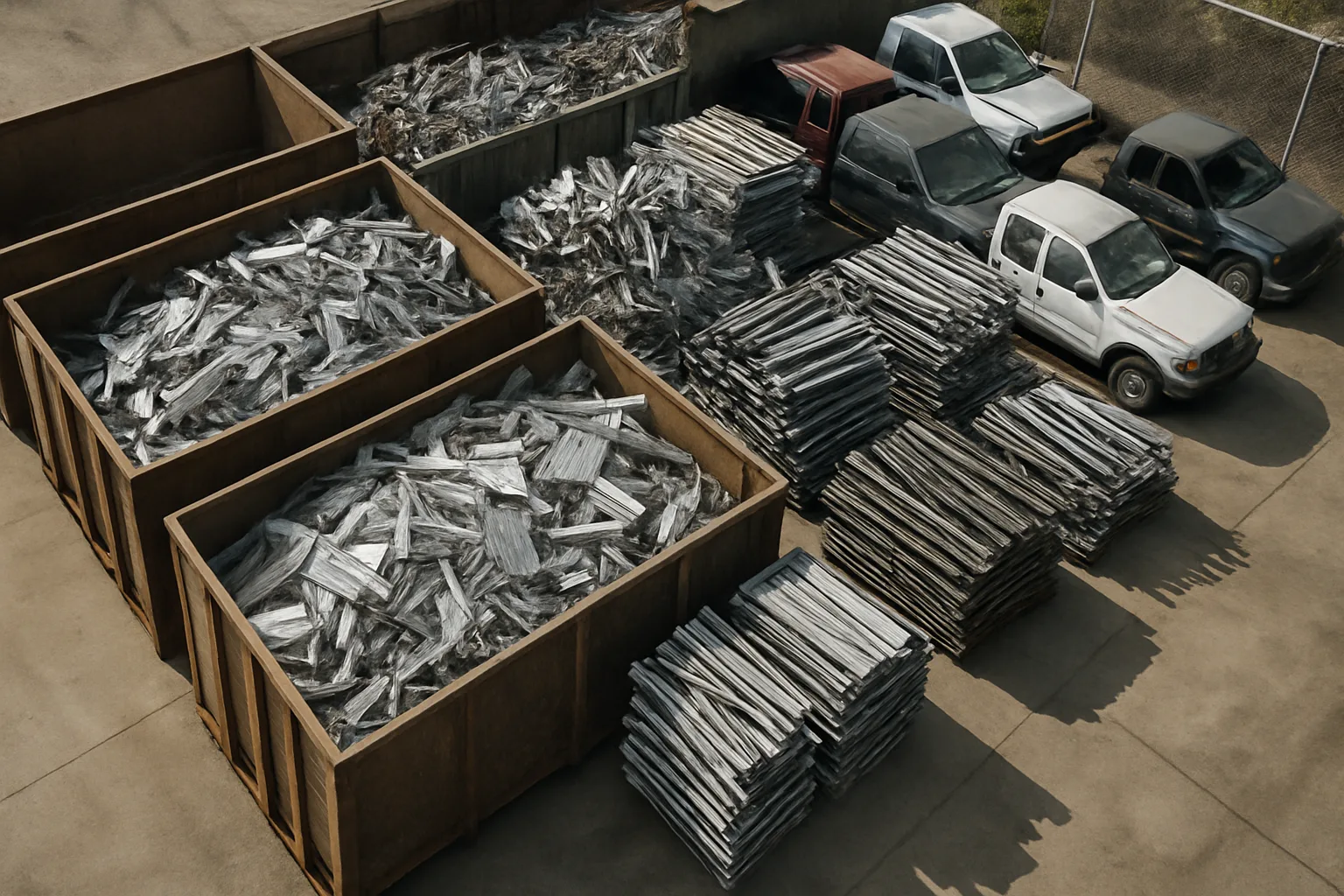
Your old washer doesn't just get crushed and forgotten. Appliance recycling is a multi-step process, and understanding it helps you appreciate why documentation and proper preparation matter. Here's the rough path a typical appliance takes after pick up.
- Transport to a processing facility. Appliances are loaded and taken to a scrap yard or recycling facility. In Manitoba, several yards handle appliance volumes — the material doesn't necessarily leave the province at this stage.
- Hazardous material removal. Refrigerators and freezers require certified refrigerant recovery before shredding. This is regulated under federal environmental rules and must be handled by certified technicians. Rushing this step creates environmental liability — reputable yards don't skip it.
- Sorting and separation. Appliances are stripped of non-metal components: plastic casings, rubber seals, wiring harnesses (the copper gets separated), foam insulation. What's left is clean ferrous and non-ferrous metal.
- Shredding or baling. The steel gets shredded into fist-sized chunks or baled into dense blocks. Both formats are smelter-ready.
- Sale into the commodity market. This is where platforms like SMASH change the equation. Instead of a single buyer quoting a price with no competition, SMASH connects material with vetted buyers across North America. More buyers means better price discovery — and that matters when you're moving serious volume.
For the average homeowner dropping off one fridge, this process happens in the background. You don't need to track it. But if you're a contractor or yard moving appliance volumes regularly, understanding the downstream market matters — because it directly affects what you get paid.
Scrap Vehicle Pick Up in Winnipeg: What's Different About Cars Versus Appliances
If you've got a dead vehicle on your property alongside those appliances, understand this upfront: scrap vehicle pick up in Winnipeg operates under different rules than appliance pick up. The Manitoba Scrap Metal Act requires proper documentation for all scrap vehicles — no exceptions.
To hand over a scrap car or truck, you need:
- A valid title (vehicle registration) in your name, or
- A Transfer on Death (TOD) document if the registered owner is deceased
This isn't optional and it isn't bureaucratic red tape for its own sake. It closes the chain of ownership on a vehicle that's leaving your property permanently. It protects you legally and ensures the scrap yard receiving the vehicle is handling it compliantly. Any operation offering scrap car pick up without asking for documentation should raise a red flag immediately.
Once documentation is confirmed, the vehicle gets picked up, drained of fluids, and processed. High-value components like catalytic converters are removed first — if you're looking to sell catalytic converters from a vehicle separately, SMASH has tools that can help you document and market those cores to vetted buyers rather than guessing at a price from one local yard.
For homeowners and businesses dealing with both appliances and a scrap vehicle at the same time, consolidating the pick up into one call makes sense. We handle both — appliances outside, vehicles with proper documentation, all Manitoba Scrap Metal Act compliant. You can schedule your scrap metal pick up in Winnipeg for both in one booking.
How SMASH Fits Into Your Scrap Metal Strategy
Most people in Winnipeg selling scrap — whether it's appliances, vehicles, or bulk non-ferrous — have done it the same way for years. One buyer. One phone call. A price that may or may not reflect the actual market. No documentation, no paper trail, no way to know if you left money on the table.
SMASH changes that dynamic without adding complexity. The platform connects sellers with vetted buyers across North America using a competitive auction format. That competition does what competition always does — it reveals what the material is actually worth rather than what one buyer wants to pay. No subscription fees. SMASH only wins when the seller wins.
For high-value loads — bulk copper, catalytic converter cores, non-ferrous concentrates — the difference between a single-buyer quote and a competitive auction can be significant. Documented inventory with photos, weights, and serial tracking gives buyers more confidence, which translates to stronger bids. You can read scrap metal pick up guides for Winnipeg on the blog to learn more about preparing loads for sale and what documentation buyers actually look for.
For residential appliance pick up, SMASH isn't always the direct touch point — but the network behind it is. The buyers and facilities connected through SMASH are the same ones processing your old washer and fridge after it leaves your driveway. That connection matters for market integrity throughout the chain.
If you're ready to clear out the garage, the rental unit, or the yard, free scrap metal pick up for qualifying loads in Winnipeg and Manitoba is available now — Manitoba Scrap Metal Act compliant, no guessing on documentation, no surprises on arrival. Call 1-855-SMASH-74 or visit scrap-metal-pick-up.ca to get it done.
Frequently Asked Questions
Q: Is appliance pick up in Winnipeg always free?
Free pick up applies to qualifying loads — typically multiple appliances, bulk metal, or commercial volumes. A single appliance on its own may involve a small pick up fee depending on location and volume. Drop-off at a local recycling facility is often a free alternative for single items. Call ahead to confirm what your load qualifies for.
Q: Does my fridge need to be defrosted before pick up?
Yes. Empty and defrost the fridge before it goes outside. Remove all food, shelves, and drawers if possible — it reduces weight and makes loading easier. Refrigerant removal happens at the processing facility by certified technicians, so you don't need to handle that yourself.
Q: What documentation do I need for scrap vehicle pick up in Winnipeg?
You need a vehicle title (registration) in your name, or a Transfer on Death (TOD) document if the registered owner has passed away. This is required under the Manitoba Scrap Metal Act and is non-negotiable. No legitimate scrap car pick up service in Manitoba will accept a vehicle without it.
Q: Can I schedule appliance pick up and scrap car removal at the same time?
Yes. If you have both appliances and a scrap vehicle to clear, you can book them together in one pick up. Make sure appliances are outside and accessible, and have your vehicle documentation ready before we arrive. Combined loads often qualify more easily for free pick up service.
Q: How do I know if my load is big enough for free scrap metal pick up in Manitoba?
Qualifying loads generally include multiple appliances, bulk non-ferrous metal, farm cleanouts, renovation debris with significant metal content, or scrap vehicles. If you're unsure, call 1-855-SMASH-74 before you move anything. A quick description of what you have is all it takes to find out where you stand.
Stay current on scrap metal market trends and recycling industry updates — follow SMASH on LinkedIn for insights that actually matter to yards, sellers, and buyers across North America.