Real-World Success: How Sarah From River Heights Properly Prepared Her Scrap Car Documentation
When Sarah Mitchell discovered her 2008 Honda Civic sitting in her River Heights driveway had become more rust than car, she faced a common Winnipeg dilemma. The vehicle wouldn't start, needed thousands in repairs, and Manitoba's harsh winters had taken their toll. Like many homeowners seeking scrap metal pick up in Winnipeg and Manitoba, Sarah initially thought removing a scrap car would be straightforward. She quickly learned that proper documentation under the Manitoba Scrap Metal Act makes the difference between a smooth pickup and legal complications.
Sarah's experience highlights why understanding scrap car removal requirements protects both vehicle owners and recycling services in Winnipeg. Her story demonstrates how proper preparation transforms a potentially frustrating process into an efficient solution for clearing unwanted vehicles while staying compliant with provincial regulations.
Understanding Manitoba Scrap Metal Act Requirements for Vehicle Removal
The Manitoba Scrap Metal Act sets clear guidelines for scrap vehicle transactions throughout the province. These regulations protect consumers from fraud and ensure legitimate businesses handle vehicle recycling properly. Sarah discovered that simply owning a vehicle isn't enough — you need specific documentation proving legal ownership.
Under current 2026 regulations, scrap vehicles require either the original title or Transfer on Death (TOD) documentation. No exceptions exist for this requirement. Sarah found her original title in her home office filing cabinet, though it took some searching through old paperwork.
The act also requires recycling services to verify seller identity through government-issued photo identification. Sarah had her Manitoba driver's license ready, which streamlined the verification process. These requirements prevent stolen vehicle trafficking and protect legitimate vehicle owners throughout Manitoba.
Scrap metal recyclers must maintain detailed records of all vehicle transactions for regulatory compliance. When SMASH arrived at Sarah's property, they documented the vehicle identification number, confirmed her ownership documentation, and completed required paperwork on-site.
Sarah's Documentation Checklist: What She Had Ready
Sarah's success came from thorough preparation. She gathered all necessary documents before contacting any scrap car removal service in Winnipeg. Her checklist included the vehicle title showing her name as the registered owner, which proved crucial for legal transfer.
She also prepared her current Manitoba driver's license for identity verification. The license had to match the name on the vehicle title exactly — even minor spelling differences can create delays. Sarah double-checked this detail after reading about other owners experiencing pickup postponements due to documentation mismatches.
Her vehicle registration, while not strictly required for scrap removal, provided additional ownership verification. Sarah kept this document with her other paperwork as supporting documentation. Some recycling services appreciate having multiple ownership proofs available.
Sarah also prepared a simple handwritten note stating her intention to scrap the vehicle. While not legally required, this documentation helped clarify her intentions and streamlined the pickup process. The note included the vehicle make, model, year, and VIN number for reference.
Common Documentation Mistakes Sarah Avoided
Through careful research, Sarah avoided several common mistakes that delay scrap car pickups in Winnipeg. She ensured her title was the original document, not a photocopy. Manitoba regulations require original titles for vehicle transfers, including scrap transactions.
Sarah confirmed the title showed no liens or outstanding loans. Vehicles with active liens cannot be scrapped without lienholder permission. She had paid off her Honda years earlier, so this wasn't an issue, but she verified the title showed "clear" status.
She also avoided the mistake of attempting to remove license plates before pickup. Manitoba regulations require plates to remain on vehicles during the scrapping process. SMASH handled plate removal and return to Manitoba Public Insurance as part of their service.
Sarah didn't attempt to remove valuable components like the catalytic converter before pickup. Removing parts can complicate the scrapping process and may affect the vehicle's value. Professional services like those available through Canadian scrap metal pick up and recycling marketplace evaluate vehicles in their complete condition.
What Appliances Sarah Also Had Removed During the Same Visit
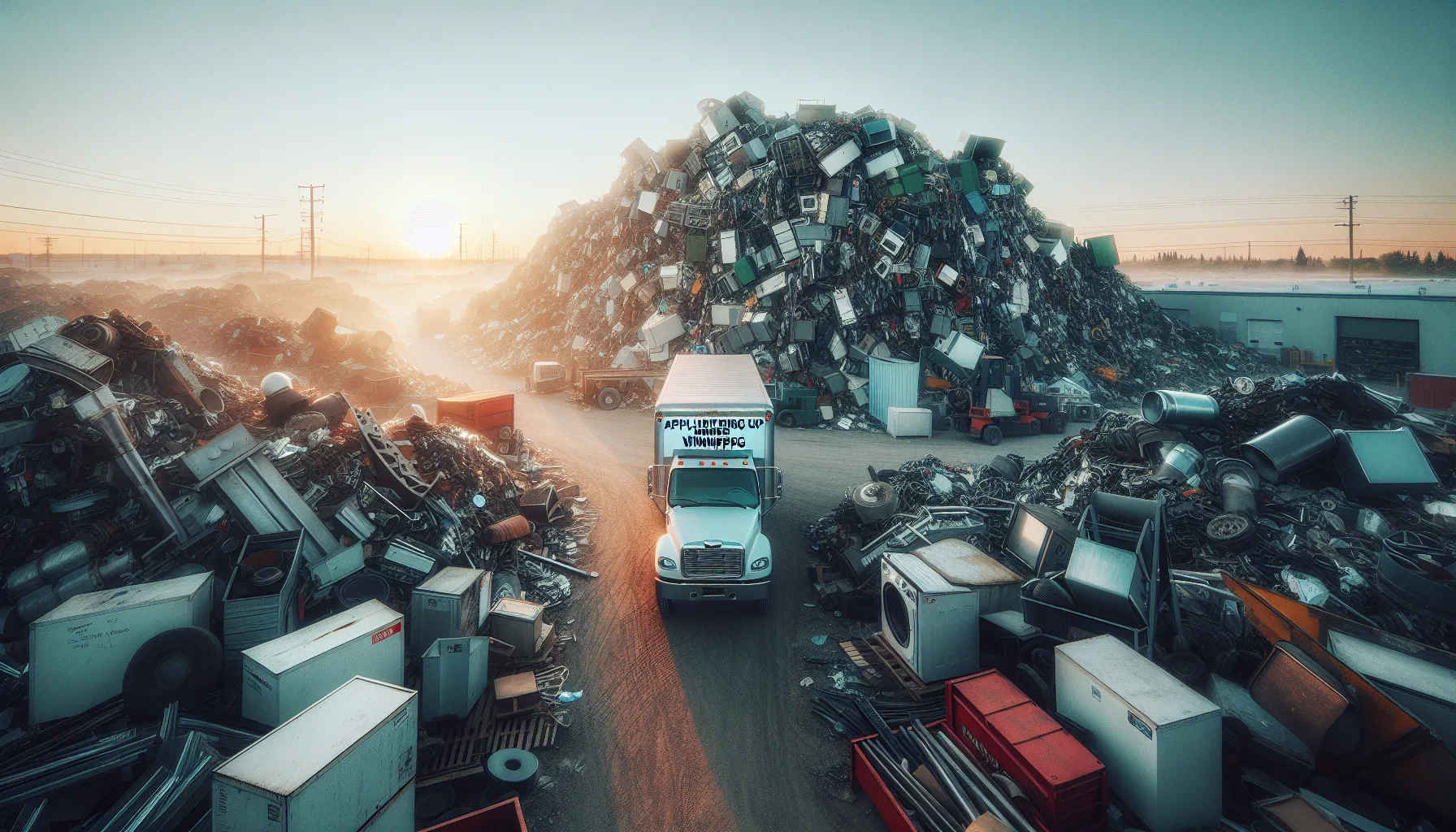
Since SMASH was already visiting her property for the vehicle pickup, Sarah decided to address other scrap metal removal needs. She had been wondering how to get rid of an old washing machine for free, and learned that qualifying loads often include multiple items for efficient removal.
Her basement contained a non-functional washing machine that had been replaced months earlier. The appliance was already disconnected and positioned near her basement access for easy removal. Sarah appreciated that appliance pick up Winnipeg services often coordinate with vehicle removal for comprehensive property cleanouts.
She also had several smaller appliances including a broken microwave and old toaster oven. While individual small appliances might incur pickup fees, combining them with a vehicle removal created a qualifying load for free pickup service.
Sarah's garage yielded additional scrap metal including old lawn equipment, a damaged snow blower, and various metal automotive parts. These items added value to her removal request and demonstrated how schedule your scrap metal pick up in Winnipeg services can address multiple needs simultaneously.
The Pickup Day: How Everything Went Smoothly
On pickup day, SMASH arrived within the scheduled time window Sarah had requested. The team quickly verified her documentation and confirmed the vehicle's location in her driveway. Having all paperwork ready meant the verification process took less than five minutes.
The removal team used professional equipment to load the Honda safely without damaging Sarah's driveway or neighboring property. They also collected her additional appliances and scrap metal items, creating an efficient single-visit solution for her property cleanup needs.
Sarah received copies of all transfer documentation for her records. This paperwork proves the legal transfer occurred and protects her from any future liability related to the vehicle. The team also provided information about license plate return procedures.
The entire process, from arrival to departure, took approximately 45 minutes. Sarah's preparation and complete documentation enabled this efficiency. She noted that other neighbors had experienced longer delays when their paperwork wasn't properly prepared.
For homeowners throughout Manitoba looking to clear unwanted vehicles and appliances, Sarah's experience demonstrates the value of proper preparation and working with compliant removal services. Whether you need farm scrap pick up Winnipeg services or residential vehicle removal, having correct documentation makes the process smooth and legally sound.
If you're ready to remove scrap vehicles or appliances from your property, consider following Sarah's documentation checklist. Free scrap metal pick up for qualifying loads in Winnipeg and Manitoba through services like SMASH ensures Manitoba Scrap Metal Act compliance — call 1-855-SMASH-74 or visit scrap-metal-pick-up.ca to read scrap metal pick up guides for Winnipeg and schedule your removal.
Frequently Asked Questions
Q: How do I get rid of a small appliance in Winnipeg?
Small appliances can be included with larger scrap metal pickups to create qualifying loads for free removal. Individual small appliances may incur pickup fees, so consider combining them with other items or dropping them off at recycling centers for cost-effective removal.
Q: How to get rid of an old washing machine for free in Winnipeg?
Washing machines qualify for free pickup when part of bulk loads or combined with other appliances and scrap metal. The appliance must be disconnected and accessible outside your home, as removal teams don't enter private residences for safety and liability reasons.
Q: What appliances do scrap metal services usually pick up?
Most services pick up washers, dryers, refrigerators, stoves, dishwashers, water heaters, and other large appliances. Smaller items like microwaves and toasters are often included when part of larger loads. All appliances should be accessible and properly disconnected before pickup.
Q: What documentation do I need for scrap car removal in Winnipeg?
You need the original vehicle title showing clear ownership and current government-issued photo identification. The names must match exactly. If you have a Transfer on Death document, that works as well. Photocopies are not acceptable under Manitoba Scrap Metal Act regulations.
Q: Can I remove parts from my car before scrapping it?
It's better to leave the vehicle complete when scrapping. Removing components can affect valuation and complicate the transfer process. Professional scrap services evaluate vehicles in their complete condition and handle valuable component recovery through proper channels.
Stay connected with SMASH on LinkedIn for the latest industry updates and scrap metal market insights in Manitoba.